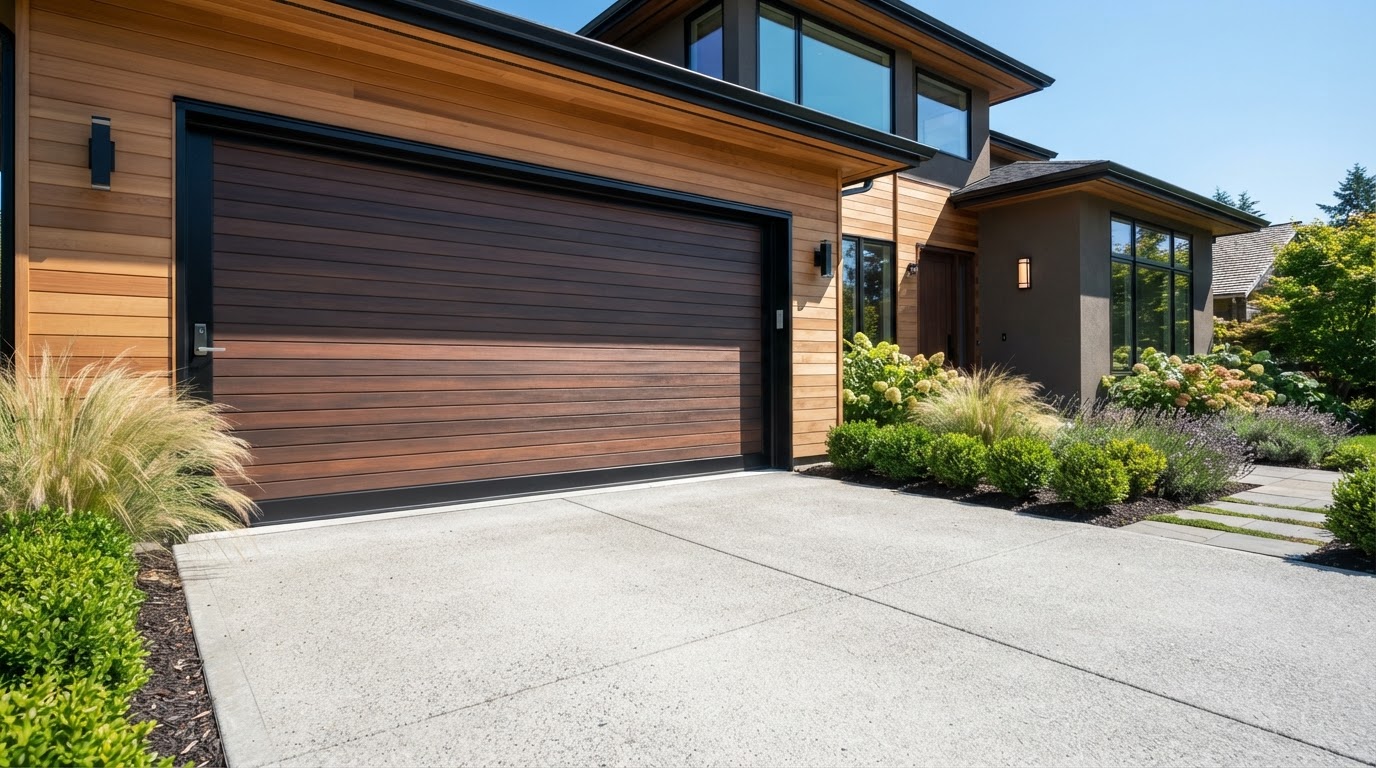
Upscale residential home with a closed garage door and clean driveway, showing the bottom weather seal meeting the concrete

GARAGE DOOR SEALS & WEATHERSTRIPPING

WHY BUGS, DUST & RAIN KEEP GETTING INTO YOUR GARAGE

Finding bugs, dirt, or puddles inside your garage even when the door is closed? Small gaps around the garage door can let more than just outside air in. Learn how worn seals, damaged weatherstripping, and other common issues contribute to the problem—and what you can do about them.

You sweep the garage floor, and the next morning there are leaves in the corner again. You find ants near the door, a fine layer of dust along the threshold, or — worse — a puddle of water after the last rain.

It's a common frustration for homeowners. The garage door is closed, so how is all of this getting inside? In many cases, the answer is simple: the door isn't sealing the way it used to. Over time, the seals and weatherstripping that keep the elements out can wear down, crack, or pull away from the frame, leaving small gaps that let in far more than you'd expect.

Understanding how your garage door is supposed to seal — and what happens when it doesn't — can help you figure out whether a quick adjustment, a new seal, or a professional garage door repair is the right next step.

Your garage door may not be sealing properly

A residential garage door does more than open and close. When it's shut, it should form a barrier between your garage and the outdoors. Two parts of the door do most of that work: the bottom seal and the weatherstripping around the frame.

The bottom seal — sometimes called an astragal or threshold seal — is the flexible strip that runs along the bottom edge of the door. When the door closes, it compresses against the concrete to fill the gap between the door and the floor. Weatherstripping, usually attached to the wooden or metal frame around the opening, seals the sides and top of the door so wind, dust, and insects can't slip past.

When these seals are in good shape, they flex to follow the contours of the floor and frame. When they're worn, cracked, or missing, even a fully closed door can leave gaps you might not notice until the weather turns or the bugs arrive.

Signs your garage door has gaps

Gaps around a garage door aren't always obvious, but they tend to leave clues. A few things homeowners can look for:

  • Daylight visible along the bottom or sides of the closed door
  • Rubber seals that look brittle, cracked, flattened, or broken
  • Dirt, leaves, or cobwebs collecting near the threshold or frame
  • Water entering the garage during or after rain
  • Drafts or noticeable temperature differences near the door
  • Insects or spiders finding their way in along the floor edge

A simple check is to close the garage door during daylight and look at it from inside the garage. If you can see light coming in along the bottom, sides, or top, the door isn't sealing completely.

Why garage door seals wear out

Garage door seals are made of rubber, vinyl, or similar flexible materials, and like any material that lives outdoors, they don't last forever. A few factors speed up the process:

  • Normal aging — rubber hardens and loses flexibility over years of use
  • Repeated opening and closing, which compresses and flexes the seal daily
  • Sunlight and UV exposure, which can dry out and crack rubber
  • Temperature swings, especially Georgia's hot summers and occasional cold snaps
  • Uneven contact with the floor, which leaves part of the seal compressed and part barely touching

A seal that has hardened can no longer conform to small dips or cracks in the concrete, so it leaves a thin opening along the floor — just enough for water to wick under during a heavy rain or for ants to march through.

Is it the weatherstripping or something else?

Worn seals are a frequent cause, but they're not the only one. Sometimes the problem isn't the weatherstripping at all — it's the way the door sits in the opening.

If a garage door is out of alignment, one side may not press firmly against the frame, leaving a gap even when the door looks closed. A damaged or bent panel can do the same thing. Uneven or cracked concrete under the door can create a low spot where the bottom seal never quite reaches the floor.

It's also worth noting that water in a garage isn't always a garage door problem. Poor drainage, a sloped driveway that channels water toward the door, or runoff from a downspout can send water under a perfectly good seal. If water only appears in one spot during heavy rain, it's worth looking at how water moves across the driveway before assuming the door is at fault.

What homeowners can check

A few safe, simple checks can help you understand what's going on without taking anything apart:

  • With the door closed and the garage dark, look for daylight along the bottom, sides, and top
  • Inspect the bottom seal for cracks, flattening, or sections that have come loose
  • Check the weatherstripping on the frame for brittleness, gaps, or tears
  • Look for dirt or debris buildup along the threshold that could prevent a clean seal
  • Watch how water moves across the driveway during the next heavy rain

These are visual checks only. Garage door springs, cables, and bottom brackets are under significant tension and should never be adjusted by homeowners. If the door seems out of alignment or difficult to move, leave it alone and call a professional.

When to have your garage door inspected

Not every gap means the door needs major work. A worn bottom seal can often be replaced, and weatherstripping can be renewed without replacing the door itself. But if the door is out of alignment, a panel is damaged, or the tracks and rollers aren't letting the door close evenly, those issues usually need a professional eye.

A good time to have the door looked at is when you notice more than one sign at once — say, daylight along the bottom and water after rain — or when the problem keeps coming back after you've cleaned the threshold. Regular garage door maintenance can also catch worn seals and alignment issues before they turn into bigger problems.

Local garage door help

Garage door service in Thomaston and surrounding Middle Georgia communities

If bugs, dust, or rain are finding their way into your garage, the team at All Access Garage Doors is glad to help. We inspect seals and weatherstripping, check the door's alignment, and recommend the right fix — whether that's a new bottom seal, fresh weatherstripping, or a broader repair.

We proudly serve homeowners and businesses throughout Thomaston, Zebulon, Barnesville, and surrounding Georgia communities. If your garage door isn't keeping the outdoors out, we'd be happy to take a look.

Is your garage door letting the outdoors in?

Don't wait for a small gap to become a bigger problem. Contact All Access Garage Doors to schedule a professional assessment of your garage door seals and alignment.

Call (762) 319-2931