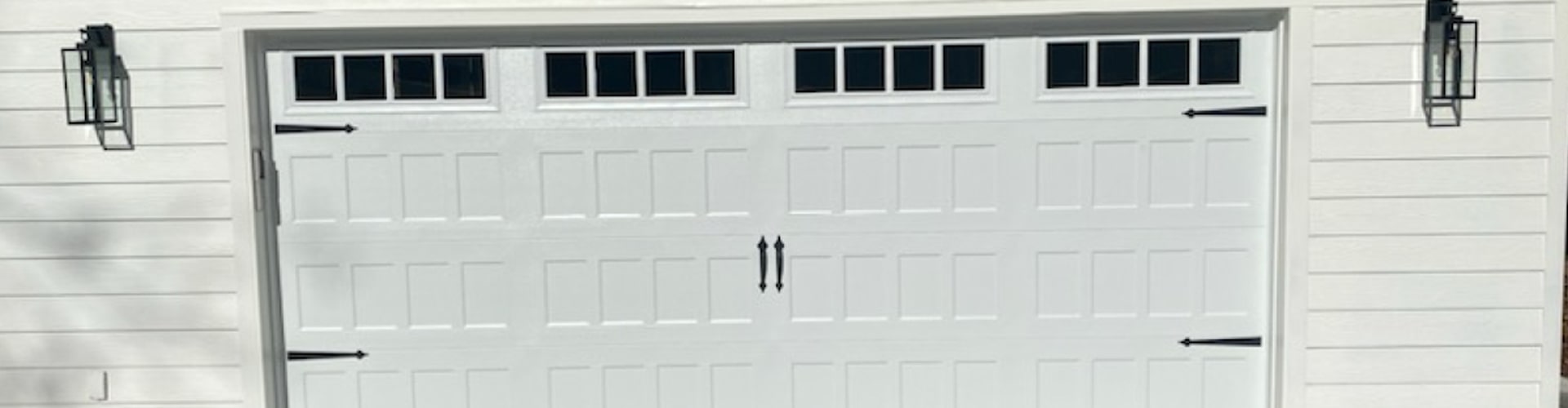
Signs Your Garage Door Springs in Williamson Are About to Break
Most homeowners think garage doors are just about convenience. Push a button, it goes up. Push again, it comes down. But the springs behind that movement? They're under constant tension — and when they fail, they don't give you much warning. Springs may not be visible from the driveway, but they leave clues all over your door's behavior. Especially if you're hearing noises or noticing uneven movement.
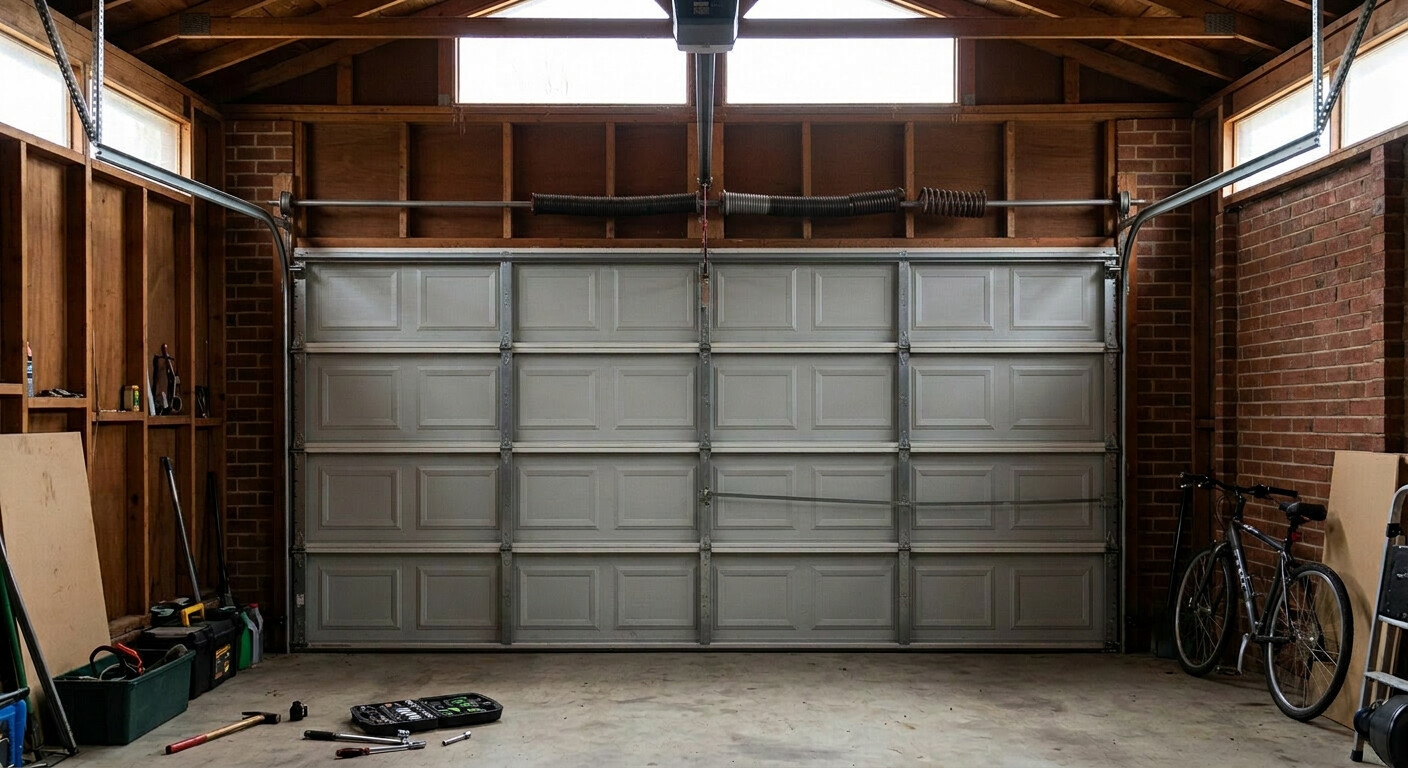
So here's the reality. If you're relying on those springs to lift hundreds of pounds every single day, that's fine. Just don't assume they'll last forever. Every cycle wears them down. Every temperature swing adds stress. And every ignored symptom brings you closer to a breakdown — not just an inconvenience, but a safety risk.
The Door Feels Heavier Than It Should
When springs start losing tension, the first thing you'll notice is weight. Your garage door should glide open with minimal effort — whether you're lifting manually or using an opener. If it suddenly. If it suddenly feels like you're bench-pressing your car, the springs aren't doing their job anymore.
That extra weight isn't just annoying. It puts strain on your opener motor, which wasn't designed to carry the full load. Keep running it that way, and you'll burn out the motor long before the springs actually snap. We've seen openers fail in weeks when springs were already compromised.
Strange Sounds Start Coming From the Tracks
Garage doors shouldn't scream at you. If yours is making loud pops, grinding noises, or metallic squeals during operation, something's breaking down. Springs under stress will creak and groan as the coils rub against each other or the mounting hardware.
Rust and metal fatigue amplify the problem. Once corrosion sets in, the spring loses flexibility and starts to crack internally. That's when you hear the sharp bangs — micro-fractures forming before the final break. If the noise is new, don't wait to investigate.
Visible Gaps Show Up in the Coils
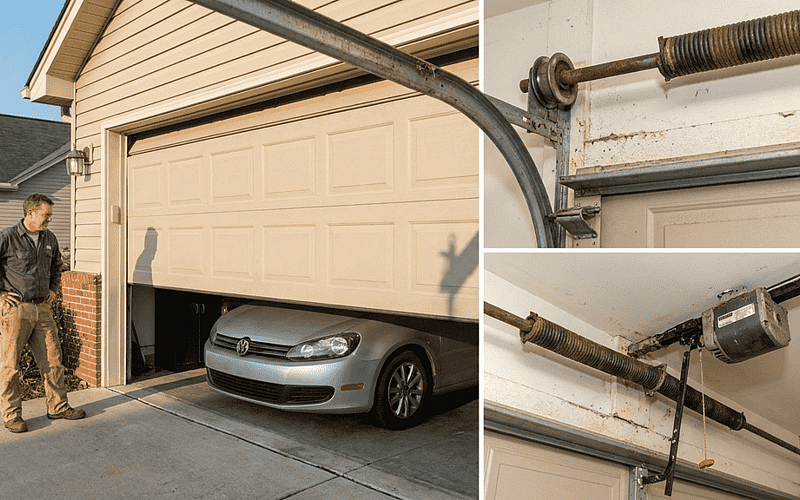
Take a look at your torsion spring — the one mounted above the door. It should be a tight, uniform coil from end to end. If you see a gap, even a small one, that spring has already broken. It's not about to fail. It already did.
A broken spring can't provide lift. Your opener might still force the door up, but it's working overtime and risking damage to the tracks, rollers, and motor. Don't keep using a door with a gapped spring. That's how minor issues turn into full system replacements.
The Door Opens Crooked or Jerks Mid-Cycle
If your door tilts to one side as it rises, or if it stutters and jerks instead of moving smoothly, you've likely got a spring imbalance. Most systems use two springs — one on each side. When one breaks, the other tries to compensate, but it can't do the job alone.
That uneven lift puts stress on the cables, rollers, and tracks. It also increases the risk of the door coming off its guides entirely. We've seen doors collapse mid-operation because homeowners kept running them after noticing the tilt. Don't be that person.
It Slams Down Instead of Lowering Gently
Springs control descent just as much as they assist with lifting. When they weaken, the door loses its counterbalance and drops faster than it should. If your door crashes down the last few inches, or if it feels like it's in free fall, the springs aren't holding tension anymore.
This isn't just rough on the door — it's dangerous. A slamming door can crush anything in its path, from tools to pets to fingers. If you've got kids or animals near the garage, this is a red flag you can't ignore.
The Door Won't Stay Open Without Help
A properly balanced door should stay put when you lift it halfway and let go. If it starts creeping down on its own, or if it won't hold position at all, the springs have lost their ability to counterbalance the weight.
This is one of the clearest signs that replacement is overdue. A door that won't stay open is a door that's unsafe to work under. Don't prop it up with a ladder or a block of wood. Get the springs fixed before someone gets hurt.
Cables Look Frayed or Loose
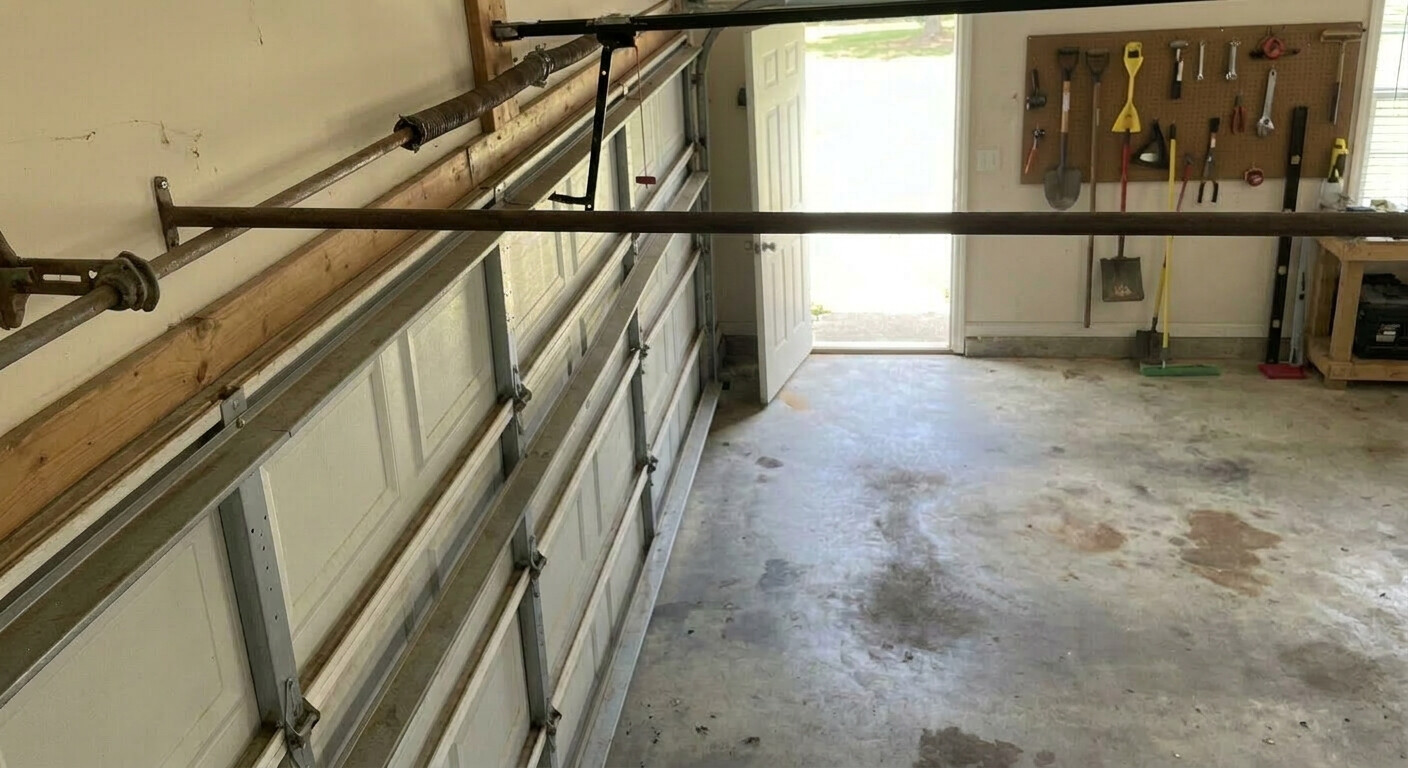
Cables and springs work as a team. When springs fail, cables take on extra load — and they weren't built for that. If you notice fraying, slack, or visible wear on the cables near the spring assembly, it's a sign the springs are no longer pulling their weight.
Frayed cables can snap without warning. When they do, the door can drop suddenly or come off the tracks entirely. If the cables look rough, assume the springs are compromised too. Both need attention before the system fails completely.
What Happens When You Ignore the Signs
Want to avoid a garage door disaster? Don't wait until the spring snaps. Once it breaks, you're not just dealing with a repair — you're dealing with downtime, potential damage to your vehicle, and a safety hazard for anyone near the door.
Here's what ignoring the warning signs can lead to:
- Complete door failure, leaving your garage inaccessible
- Damage to the opener motor from overwork
- Bent or broken tracks from uneven weight distribution
- Injury risk from a door that drops unexpectedly
- Higher repair costs when multiple components fail at once
Why DIY Spring Replacement Is a Bad Idea
Garage door springs are under extreme tension — enough to lift several hundred pounds. Trying to replace them yourself without the right tools or training is one of the fastest ways to end up in the emergency room.
Here's why professionals handle this work:
- Springs are wound under high tension and can cause serious injury if released improperly
- Incorrect installation can lead to door imbalance and premature failure
- Specialized tools are required to safely remove and install torsion springs
- Professionals can identify other worn components during the repair
- Most techs offer warranties on parts and labor
How to Extend the Life of Your Springs
Springs don't last forever, but you can get more cycles out of them with basic maintenance. Most residential springs are rated for 10,000 to 15,000 cycles — roughly seven to ten years of normal use. If you're opening and closing the door multiple times a day, that lifespan shrinks.
Here's what helps:
- Lubricate the springs every few months with garage door-specific lubricant
- Keep the tracks clean and aligned to reduce strain on the system
- Test the door balance twice a year by lifting it manually halfway
- Replace both springs at the same time, even if only one breaks
- Schedule annual inspections with a garage door pro
When to Call a Technician
If you've noticed any of the signs we've covered — heavy lifting, strange noises, visible gaps, uneven movement, or fast closing — it's time to bring in a professional. Don't wait for the spring to snap. By then, you're dealing with an emergency repair instead of a planned service call.
A qualified technician will:
- Inspect both springs for wear, rust, and tension loss
- Check cables, rollers, and tracks for related damage
- Test the door balance and opener function
- Replace worn springs with the correct size and weight rating
- Adjust the system to ensure smooth, safe operation
Protecting Your Home and Your Family
Garage door springs aren't glamorous. They don't get attention until they fail. But they're one of the most critical components in your home's daily operation — and one of the most dangerous when they break.
We've seen too many homeowners ignore the warning signs until it's too late. A broken spring isn't just an inconvenience. It's a safety hazard, a security risk, and a repair bill that grows the longer you wait. If your door is showing symptoms, don't gamble on how much time you have left. For expert help with garage door springs, professional garage door repairs, or routine garage door maintenance, reach out to a trusted local provider. Whether you need garage door repair in Butler, garage door installation in Butler, or garage door maintenance in Butler, getting it checked, getting it fixed, and getting back to using your garage without worry is just a call away.
Let’s Keep Your Garage Door Safe and Reliable
We know how important it is to have a garage door you can trust every day. If you’ve noticed any of these warning signs, let’s take care of it before it turns into a bigger problem. Give us a call at 762-319-2931 to talk with our team, or schedule an appointment and we’ll make sure your garage door is working safely and smoothly again.
‹ Back
Recent Posts
-
Can Tree Pollen Cause Garage Door Problems in Macon?
September 9, 2026
-
Is Your Garage Door in Macon Opening Slower Than Usual?
August 26, 2026
-
Garage Door Remote In Centerville Stopped Working?
August 12, 2026
-
-