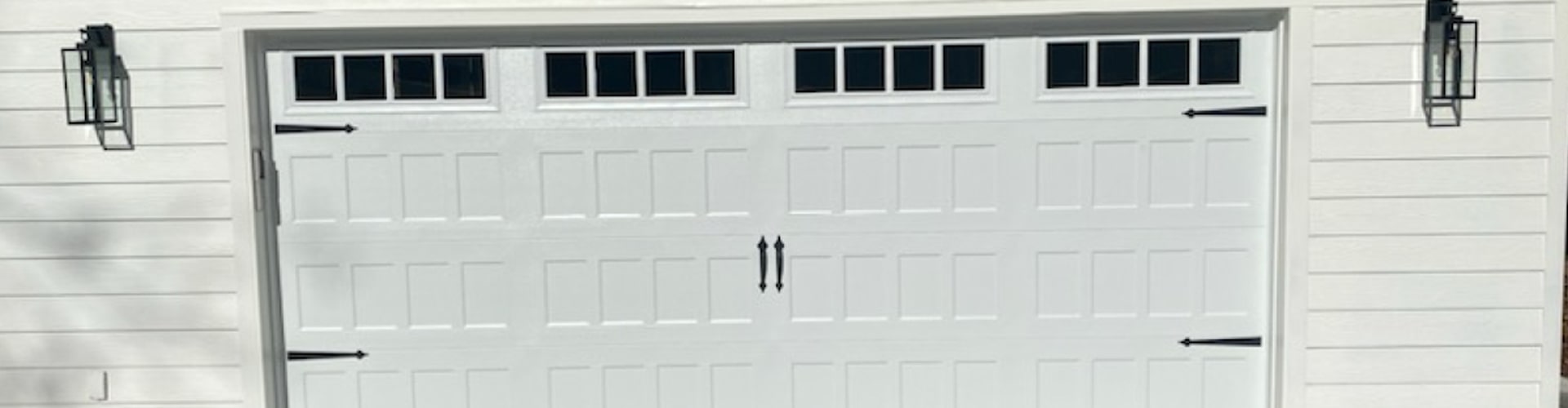
Can A Garage Door In Centerville Warp From Summer Heat?
Summer heat in Centerville doesn't just make your driveway uncomfortable to walk on. It puts stress on everything exposed to direct sunlight — including your garage door. Most homeowners don't think twice about their garage door until it stops working right, but by then the damage is already done. Warping isn't always dramatic. Sometimes it's subtle. A small gap here, a sticky track there. But left unchecked, those little issues compound into expensive repairs or full replacements.
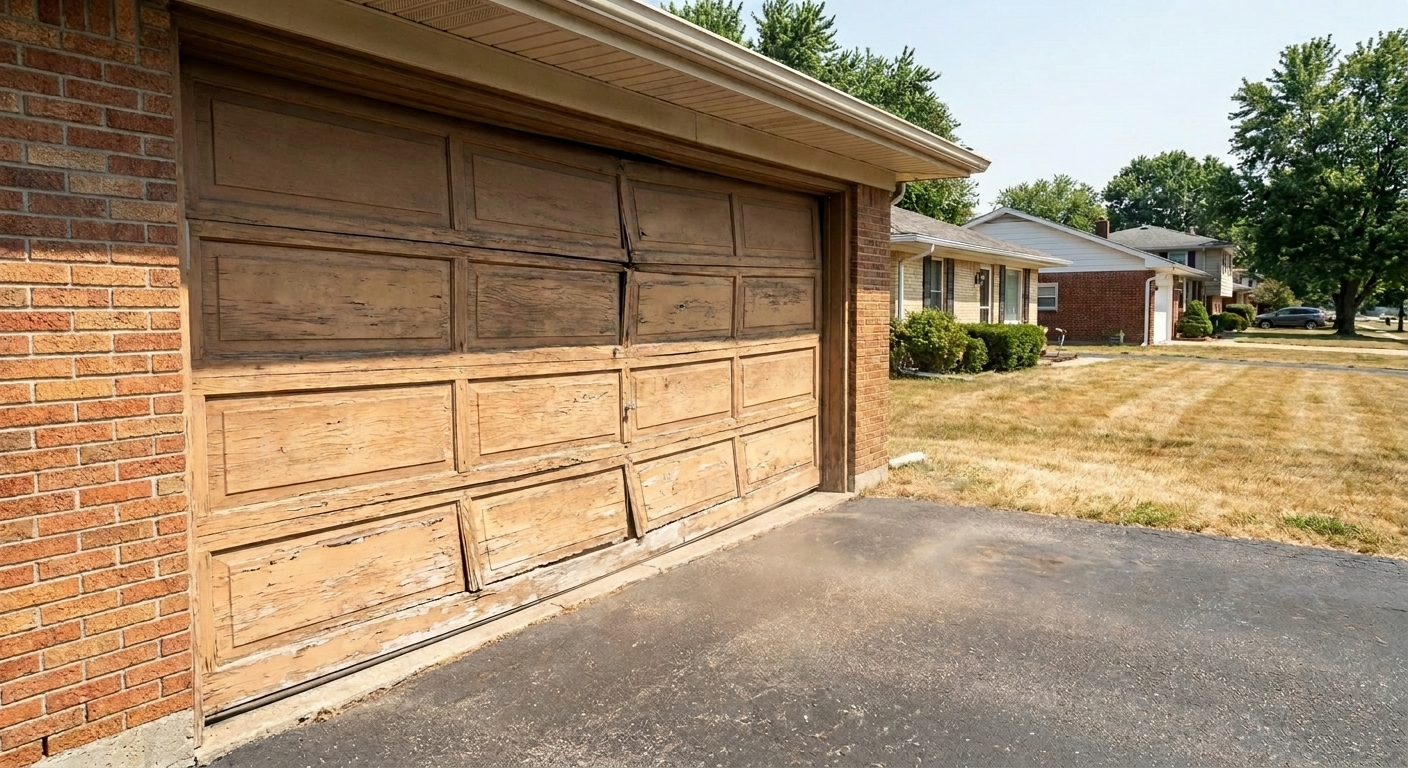
So yes, garage doors can warp from summer heat. But whether yours will depends on what it's made of, how it's installed, and how much abuse it takes from the sun. Understanding the variables means you can spot trouble early and take action before a minor issue becomes a major headache.
Material Matters More Than You Think
Not all garage doors respond to heat the same way. The material dictates how much expansion, contraction, and stress your door can handle before it starts to buckle or twist. If you've got a wooden door facing west with zero protection from the afternoon sun, you're playing a different game than someone with an insulated steel model in the shade.
Here's how common materials stack up under heat pressure:
- Steel doors: These hold up well under intense heat, though they can get scorching to the touch. Expansion happens, but significant warping is rare unless the door is poorly made or lacks insulation.
- Wood doors: The most vulnerable option. Wood expands, contracts, and can twist when exposed to heat and humidity. Without proper sealing and maintenance, warping is almost inevitable.
- Aluminum doors: Lightweight and rust-resistant, but thin aluminum panels can warp under extreme heat, especially if they lack reinforcement.
- Composite doors: Engineered to resist temperature swings better than wood or aluminum, though they're not invincible. Quality varies, so cheap composites can still warp.
Heat Doesn't Work Alone
Warping happens when one section of your door expands faster or more than another. In Centerville, that's easy to trigger when your garage door bakes in direct sunlight for hours. The outer layer heats up, the inner layer stays cooler, and that uneven expansion creates stress. Add humidity or moisture into the mix — say from a sudden summer storm — and wood doors especially start to lose their shape.
Temperature swings make it worse. Your door heats up all day, then cools rapidly at night. That cycle repeats every day for months. Over time, the constant expansion and contraction weakens the structure. What starts as a barely noticeable bend can turn into a door that won't close flush or drags along the tracks.
What Warping Looks Like Before It's Obvious
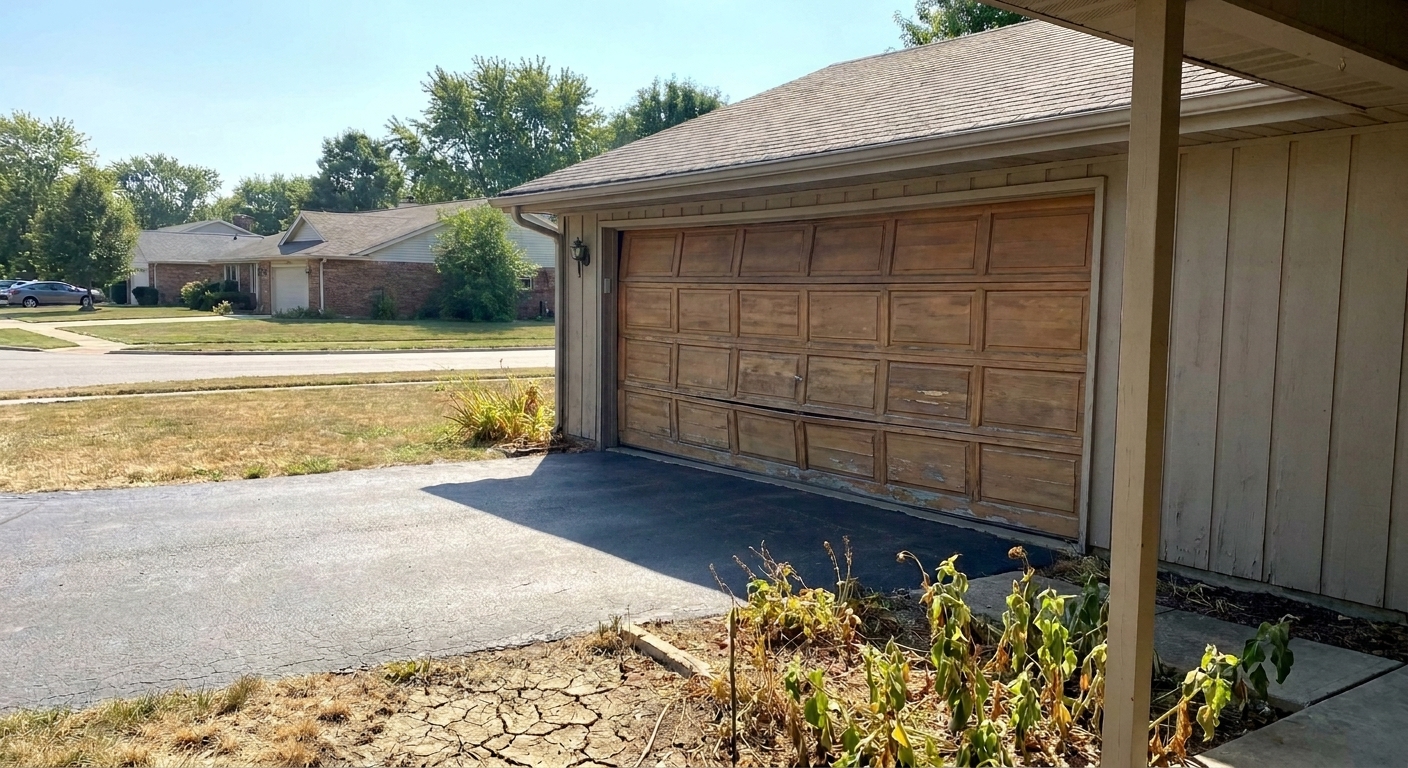
Catching warping early saves money and frustration. The problem is, most people don't notice until the door is visibly crooked or jammed. By then, the fix is more involved. Watch for these warning signs:
- The door doesn't sit tight against the frame when closed
- Visible bends or curves in the panels that weren't there before
- Resistance when opening or closing, like something's dragging
- Light or air leaking through gaps along the edges
- Odd sounds during operation — scraping, grinding, or creaking
Stop Warping Before It Starts
You can't eliminate heat, but you can reduce its impact. Smart material choices, regular upkeep, and a few preventive measures go a long way toward keeping your door straight and functional through the summer months.
Here's what works:
- Pick the right material upfront: If you're buying or replacing a door, steel and composite options handle heat better than wood or thin aluminum.
- Maintain consistently: Check seals, inspect panels, and make sure wooden doors stay painted and sealed to block moisture.
- Add insulation: Insulated doors buffer temperature swings and reduce stress on the material.
- Create shade or airflow: Even a small awning or better garage ventilation can lower the heat load on your door.
- Fix small problems fast: A crack or gap today becomes a warp tomorrow. Don't wait.
When Warping Happens Anyway
Minor warping sometimes responds to adjustments or reinforcement. A professional can tweak hardware, tighten bolts, or add bracing to stabilize the door. But if the warp is severe — panels twisted, gaps too large to close — you're likely looking at panel replacement or a full door swap. Trying to force a warped door to work just accelerates wear on the opener and tracks.
Getting a local Centerville garage door specialist to assess the damage is the smartest move. They'll know whether you're dealing with a quick fix or something that requires new hardware. Either way, acting fast prevents the problem from spreading to other parts of the system.
The Bottom Line on Heat and Garage Doors
Garage doors in Centerville can absolutely warp from summer heat, especially if they're wood, poorly maintained, or sitting in full sun all day. The good news is that warping isn't inevitable. With the right materials, consistent maintenance, and a little attention to early signs of wear, you can keep your door straight and operational for years. Don't wait until it's jammed in the tracks or letting daylight through. A little prevention now beats a costly repair later.
Let’s Keep Your Garage Door Summer-Ready
We know how quickly Centerville’s heat can turn a small garage door issue into a big problem. If you’ve noticed any signs of warping or just want peace of mind before the next heatwave, let’s tackle it together. Give us a call at 762-319-2931 or schedule an appointment so we can help keep your garage door working smoothly all season long.
‹ Back
Recent Posts
-
Can Tree Pollen Cause Garage Door Problems in Macon?
September 9, 2026
-
Is Your Garage Door in Macon Opening Slower Than Usual?
August 26, 2026
-
Garage Door Remote In Centerville Stopped Working?
August 12, 2026
-
-