Is Your Garage Door In Centerville Shaking When It Opens?
Most homeowners think a shaking garage door is just noise. Vibration here, rattle there. But that movement tells a story — and if you're not listening, you're headed for worse. A door that shakes isn't broken yet, but it's close. And the longer you wait, the more expensive the fix becomes.
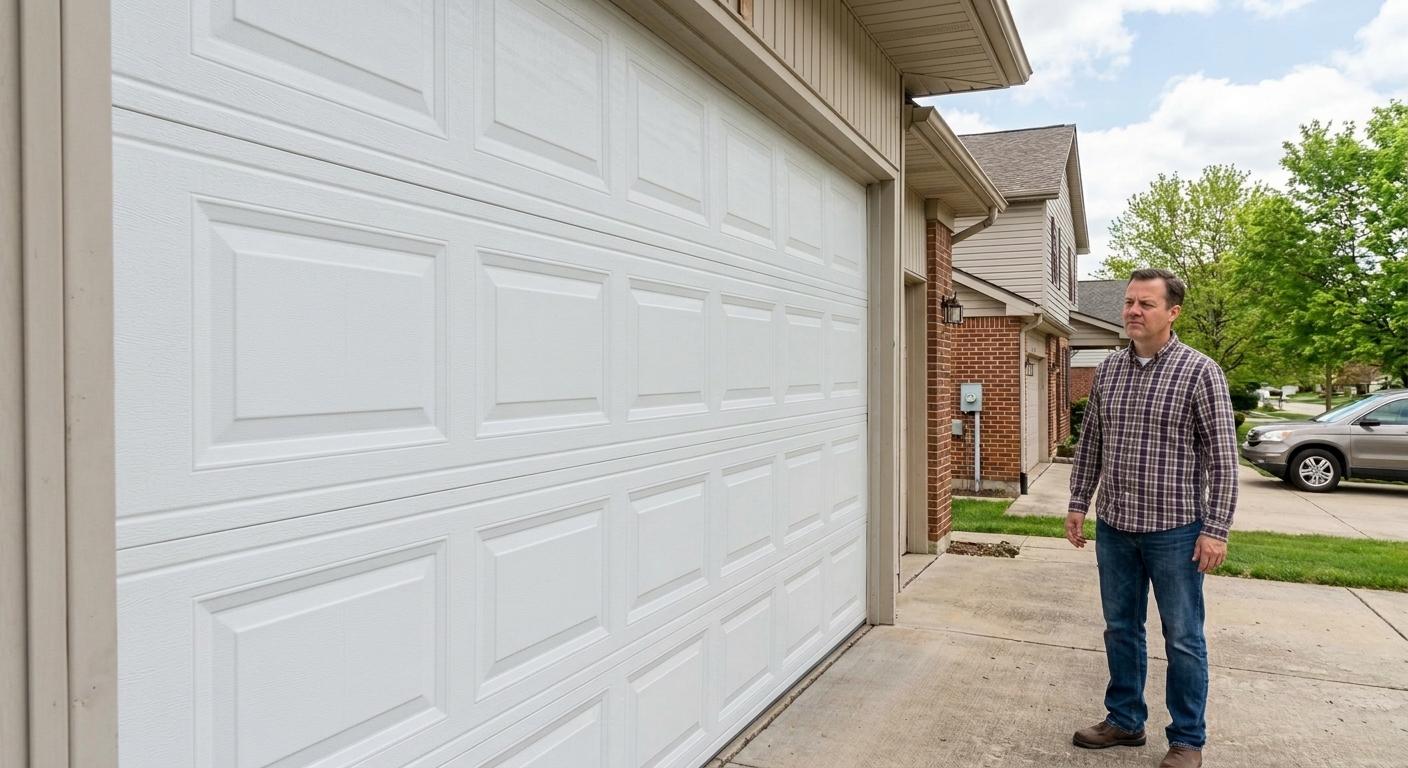
So here's what matters. If your door is trembling every time it moves, something's loose, worn, or out of line. That's not cosmetic. It's structural. Every shake wears down the system a little more. Every ignored symptom turns into a repair bill. And every wobble is a warning you don't want to miss.
Hardware That's Come Loose
Garage doors move thousands of times a year. All that motion creates vibration. And vibration loosens things. Bolts that were torqued down five years ago aren't torqued anymore. Brackets shift. Fasteners back out. And when they do, the door starts to wobble.
Check the mounting points where the tracks attach to the framing. Look at the hinge screws on each panel. Grab a wrench and go through every connection point you can reach. Tighten what's loose. Replace what's stripped. This isn't glamorous work, but it stops half the shaking problems we see.
Rollers That Have Seen Better Days
Rollers take a beating. They ride inside metal tracks under constant pressure, and over time they crack, flatten, or seize up. When that happens, the door doesn't glide anymore. It jerks. It drags. It shakes.
Pull the door up manually and watch the rollers move through the curve. If they're wobbling, chipped, or stuck, they're done. Nylon rollers are quieter and last longer than steel. Swapping them out takes an hour and makes a massive difference in how smooth the door feels.
Tracks That Aren't Straight Anymore
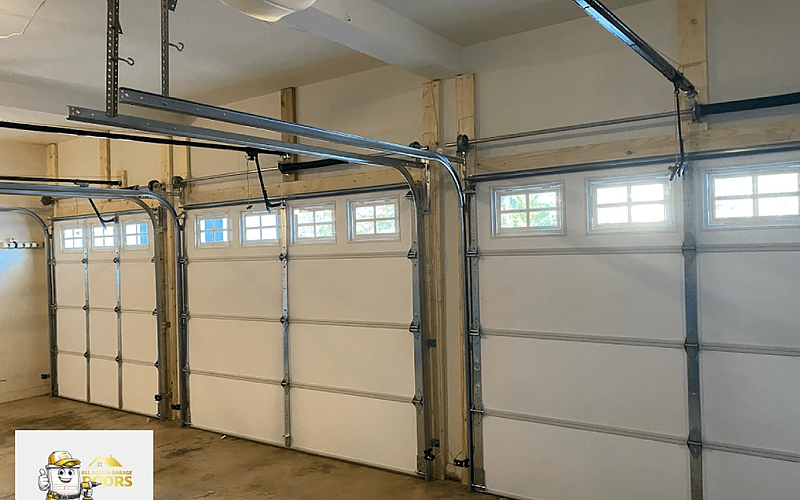
Tracks get bumped. They get dented. Sometimes they just sag under years of use. When they're even slightly out of alignment, the door binds. It stutters. It shakes as it tries to force its way through a path that isn't quite right.
Run your eye down both tracks from top to bottom. Look for bends, gaps between the track and the wall, or spots where the door catches. A level and a rubber mallet can fix minor issues. Anything worse than that, and you'll want a pro to realign everything before the door comes off completely.
Springs Under Too Much Stress
Garage door springs do the heavy lifting. Literally. When one starts to wear out or break, the load shifts unevenly. The door tilts. It jerks during the lift. And you'll feel it shake because the system is compensating for a spring that's no longer pulling its weight.
Don't mess with springs yourself. They're under extreme tension and can cause serious injury if they snap during a DIY attempt. If you suspect a spring issue, call someone who knows how to handle them safely. A broken spring isn't a weekend project — it's a liability.
What Happens If You Ignore It
A shaking door doesn't fix itself. It gets worse. The vibration accelerates wear on every part of the system. Rollers crack faster. Bolts loosen quicker. Tracks bend easier. What starts as a minor rattle turns into a door that won't open, won't close, or worse — comes off the rails entirely.
We've seen doors that ignored the early signs. By the time they call, it's not a tune-up anymore. It's a full rebuild. Panels are damaged. Openers are burned out. The whole system needs replacing because small problems were left to multiply. Don't be that story.
Debris and Obstructions You Didn't Notice
Sometimes the issue isn't mechanical. It's environmental. Dirt builds up in the tracks. Leaves blow into the channels. Small stones get wedged where they don't belong. The door hits these obstacles and shakes as it grinds past them.
Clear the tracks every few months. Wipe them down with a rag. Vacuum out the corners. It's basic maintenance that prevents bigger headaches. And while you're at it, check for anything that might have fallen or shifted near the door's path.
Fixes You Can Handle
Not every shaking door needs a service call. Some problems respond to basic upkeep. Here's what you can do before picking up the phone:
- Tighten every bolt, nut, and screw you can find on the door and track assembly
- Lubricate the rollers, hinges, and tracks with silicone spray — not grease, which attracts dirt
- Inspect the rollers for cracks or flat spots and replace them if they're shot
- Check the tracks for alignment and gently tap out minor bends with a hammer and wood block
- Remove any debris or buildup from the track channels
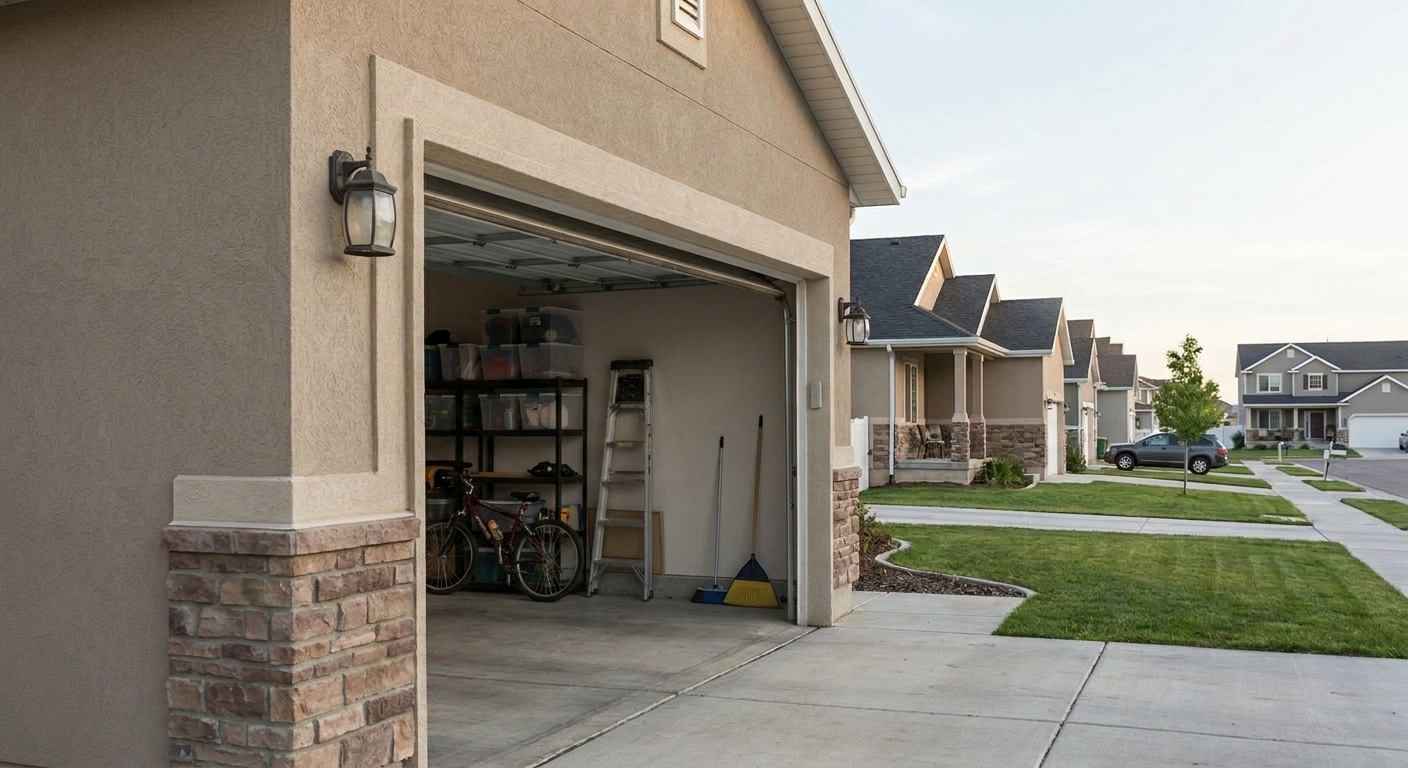
When to Call Someone Who Knows What They're Doing
If you've tightened, lubricated, and cleaned everything and the door still shakes, it's time to bring in a technician. Some issues require tools, experience, and safety equipment you don't have sitting in the garage. Springs, cables, and major track repairs fall into that category.
A good garage door tech will diagnose the root cause, not just treat the symptom. They'll check the balance, inspect the opener, test the safety sensors, and make sure the entire system is dialed in. That's not overkill. That's preventing the next breakdown.
Signs the Problem Is Getting Serious
Certain symptoms mean the door has moved past minor annoyance and into real trouble. If you notice any of these, don't wait:
- The door shakes so hard it makes noise throughout the house
- It struggles to lift or close all the way
- One side moves faster than the other
- The opener strains or stutters during operation
- You hear grinding, scraping, or popping sounds along with the shaking
Balance Matters More Than You Think
An unbalanced door puts extra strain on the opener and the springs. Over time, that imbalance causes uneven wear and contributes to shaking. To test balance, disconnect the opener and lift the door manually to waist height. If it doesn't stay put, the springs need adjustment.
This is another job best left to professionals. Spring tension adjustments require precision and the right tools. Get it wrong, and you risk damaging the door or the opener — or worse, getting hurt.
Keep It Running Smooth
Regular maintenance stops most shaking problems before they start. Every few months, take fifteen minutes to tighten hardware, lubricate moving parts, and inspect the system for wear. It's boring. It works. And it saves you from dealing with a door that rattles the windows every time you leave the house.
A shaking garage door in Centerville isn't something to live with. It's something to fix. The parts are wearing. The system is stressed. And the longer you wait, the harder and more expensive the repair becomes. Tighten what's loose. Replace what's worn. And when it's beyond your skill set, call someone who does this for a living. Your door will thank you. So will your wallet. Professional repair services can diagnose issues that aren't obvious and prevent costly damage down the road, and learning about common garage door opener issues helps you understand when DIY efforts have reached their limit.
Let’s Get Your Garage Door Back on Track
We know how frustrating a shaky garage door can be, and you shouldn’t have to put up with the noise or risk bigger problems down the line. Let’s work together to restore smooth, quiet operation and keep your home safe. Give us a call at 762-319-2931 or schedule an appointment today so we can take care of the issue before it turns into a major headache.
‹ Back
Recent Posts
-
Is Your Garage Door in Macon Opening Slower Than Usual?
August 26, 2026
-
Garage Door Remote In Centerville Stopped Working?
August 12, 2026
-
-
-
Garage Door In Centerville Won't Close All The Way?
July 1, 2026