Is Your Garage Door in Macon Opening Slower Than Usual?
Most homeowners figure a garage door either works or it doesn't. Up, down, done. But when it starts crawling instead of climbing, that's not just annoying — it's a warning. A sluggish door doesn't fix itself. It gets worse. And the longer you wait, the more expensive the fix becomes.
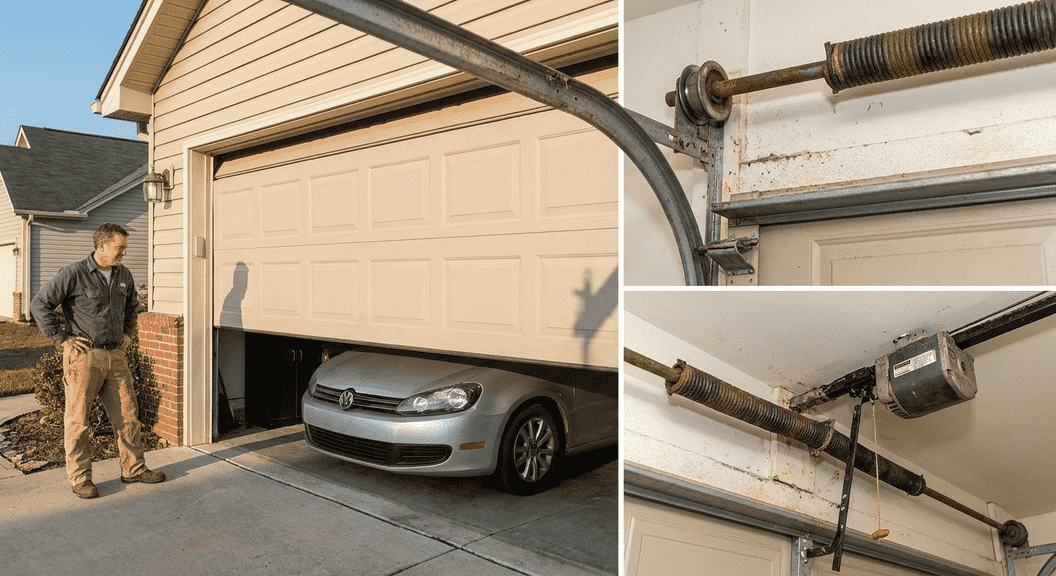
Here's what matters. Speed isn't cosmetic. It's mechanical. When a door slows down, something's breaking down. Maybe it's friction. Maybe it's tension. Maybe it's both. Either way, ignoring it won't make your mornings easier — and it definitely won't make your wallet happier when the whole system finally gives out.
What Makes a Door Drag
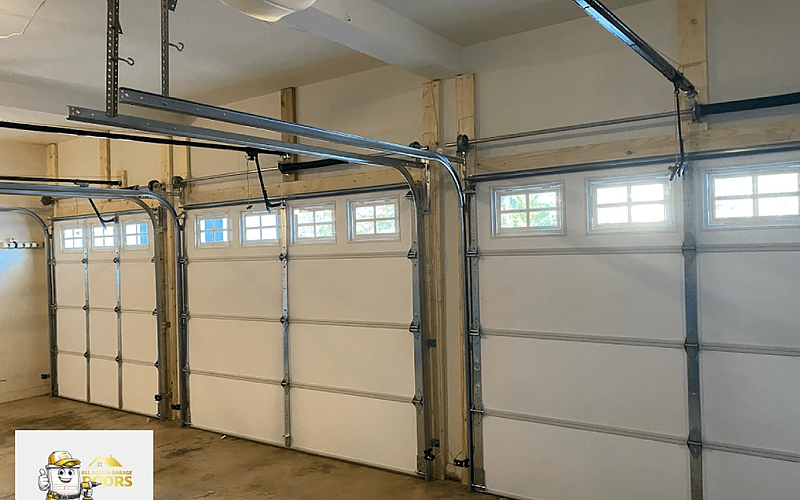
Garage doors don't slow down for no reason. They're loaded with moving parts, and each one plays a role in how fast — or slow — that door opens. When one part starts failing, the whole system compensates. And compensation always costs speed.
Here's where the friction usually lives:
- Dried-out rollers and hinges: No lubrication means metal grinding on metal. That's not just slow — it's destructive.
- Springs losing tension: These do the heavy lifting. When they weaken, the motor has to work harder, and the door crawls.
- Clogged or bent tracks: Dirt, debris, or a ding in the rail forces the rollers to fight their way up.
- Failing opener motor: Age and overuse take a toll. Motors don't quit overnight — they slow down first.
- Humidity and rust: Macon's weather is brutal on metal. Moisture causes expansion, corrosion, and sticking.
The Fixes You Can Handle Yourself
Not every slow door needs a service call. Some problems are simple enough to knock out in an afternoon with basic tools and a little patience. But you need to know what you're looking at before you start spraying WD-40 on everything and hoping for the best.
Start with the obvious stuff. Check the tracks for visible gunk or damage. Wipe them down and make sure they're aligned. Then hit the rollers, hinges, and springs with a silicone-based lubricant — not grease, which just attracts more dirt. If the door still drags, check the opener's speed setting. Some models let you adjust it, and a simple tweak might be all you need.
Here's your checklist:
- Lubricate every hinge, roller, and track connection
- Clean the tracks with a damp cloth and remove debris
- Test the door's balance by disconnecting the opener and lifting manually
- Inspect springs for visible wear, stretching, or breaks
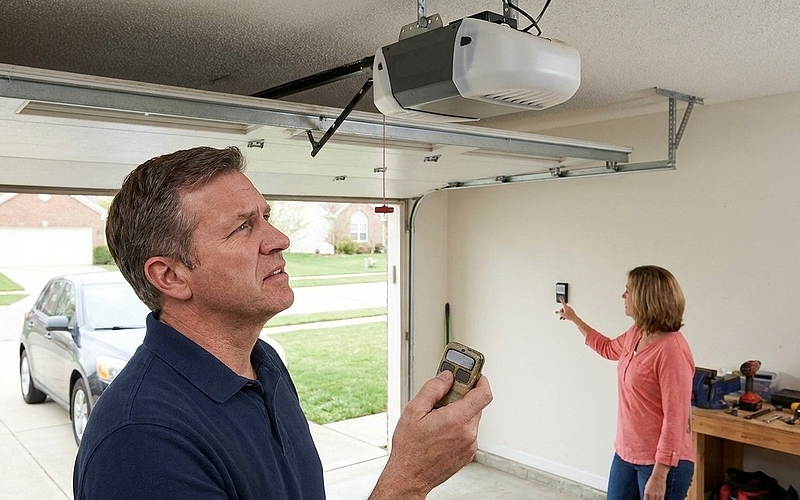
- Adjust the opener speed if your model allows it
When DIY Becomes Dangerous
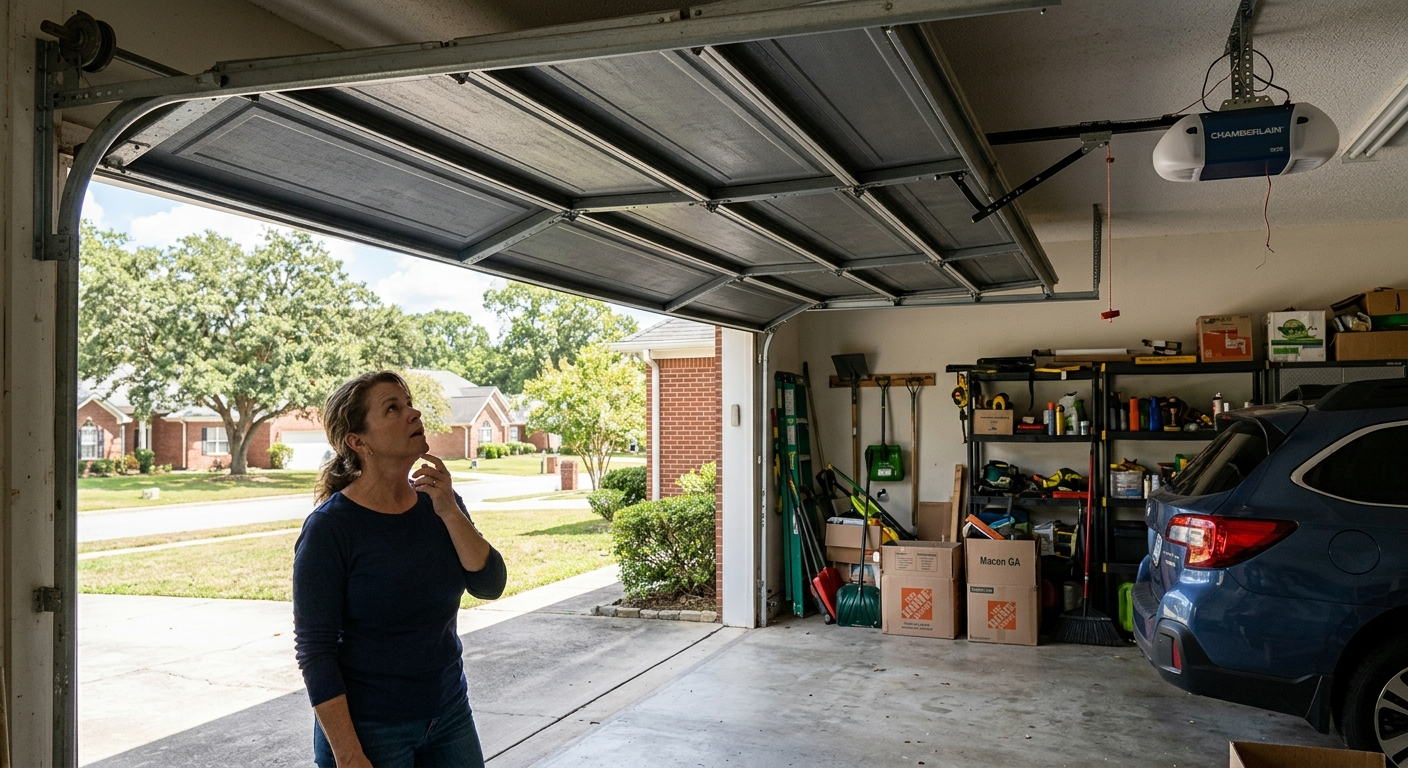
There's a line between maintenance and repair, and crossing it without training can land you in the ER. Garage door springs are under serious tension. If one snaps while you're messing with it, you're not walking away with a bruise — you're dealing with broken bones or worse.
If you spot any of these, stop and call someone who knows what they're doing:
- Springs that look stretched, cracked, or broken
- Cables that are frayed or hanging loose
- Tracks that are bent or completely off-kilter
- Motors making grinding noises or giving off a burning smell
- Doors that won't stay put when you lift them halfway
Routine Care Beats Emergency Repairs
You don't wait until your car breaks down to change the oil. Same logic applies here. A garage door that gets regular attention doesn't slow down overnight. It doesn't screech at 6 a.m. And it doesn't strand you in the driveway when you're already late.
Set a schedule and stick to it. Lubricate every six months. Inspect the hardware quarterly. And bring in a pro once a year to catch what you can't see. That's how you keep a door running smoothly for a decade instead of replacing it in five.
Here's what keeps things moving:
- Biannual lubrication of all moving components
- Quarterly visual inspections of tracks, rollers, and springs
- Annual professional tune-ups to spot early wear
- Immediate cleanup of debris around the door and sensors
- Monthly balance and safety sensor tests
Speed Matters More Than You Think
A slow garage door isn't just inconvenient — it's a liability. It leaves your home exposed longer. It strains the opener. And it signals to anyone paying attention that your system's on the decline. Fix it now, or pay double later when the springs snap or the motor burns out. We've seen it happen too many times.
Macon's humidity doesn't do you any favors either. Rust and expansion are constant threats, and they don't take breaks. Keep your door maintained, keep it fast, and keep it reliable. Because when it stops working altogether, you won't just lose convenience — you'll lose security too. For residents in the area, scheduling regular garage door service in Macon protects both your home and wallet, and our team provides comprehensive garage door services in Macon to keep your system running smoothly.
Let’s Get Your Garage Door Back Up to Speed
We know how frustrating it is when your garage door slows you down. Let’s make sure you’re never stuck waiting or worrying about what’s next. If your door isn’t moving like it should, give us a call at 762-319-2931 and let’s get things moving again. Ready to put slow mornings behind you? Schedule an appointment with our team today and we’ll handle the rest.
‹ Back
Recent Posts
-
Is Your Garage Door in Macon Opening Slower Than Usual?
August 26, 2026
-
Garage Door Remote In Centerville Stopped Working?
August 12, 2026
-
-
-
Garage Door In Centerville Won't Close All The Way?
July 1, 2026