Garage Door In Centerville Won't Close All The Way?
Your garage door stopping halfway isn't just annoying—it's a security risk. That gap leaves your home exposed, throws off your schedule, and signals a problem that won't fix itself. Most homeowners in Centerville brush it off until it becomes urgent. Then they're scrambling to figure out what broke and who to call.
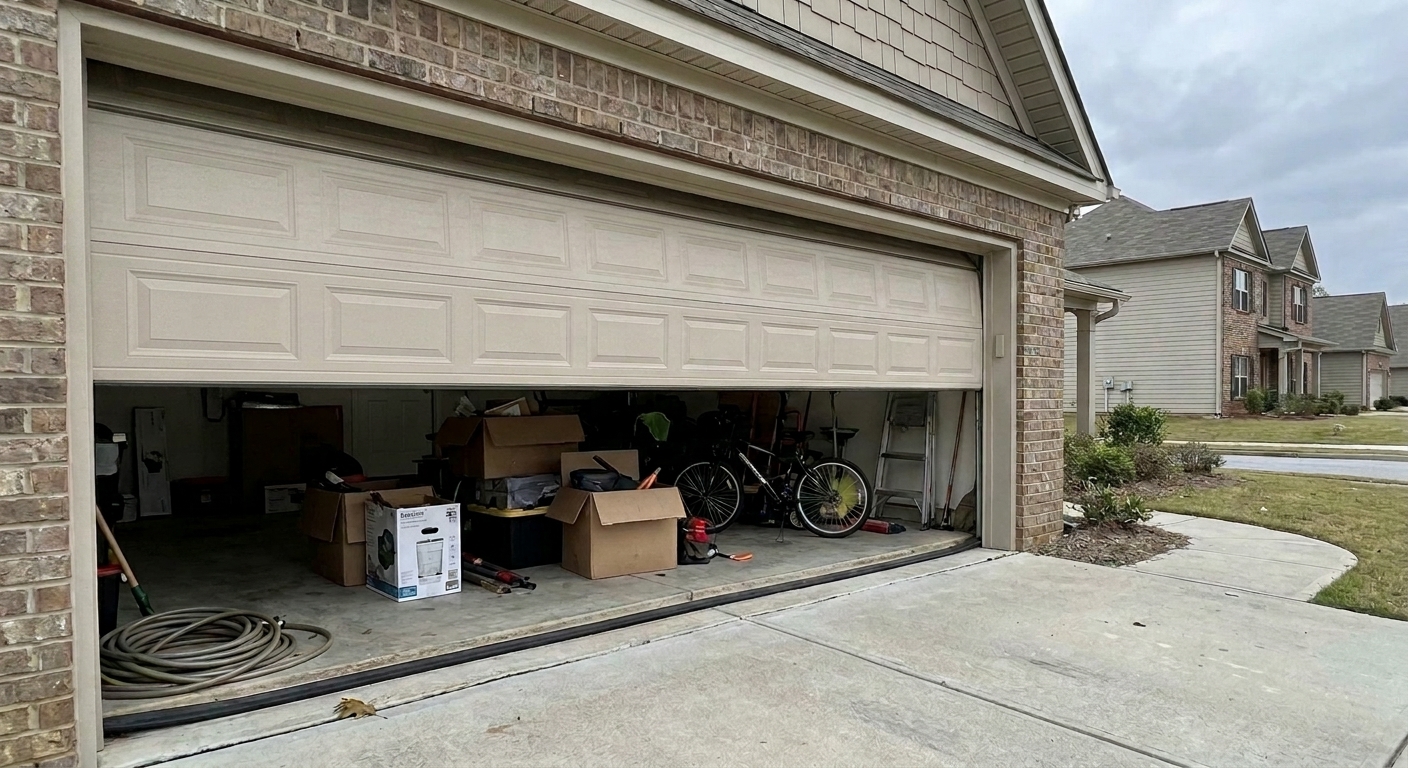
We've seen this scenario play out hundreds of times. The door reverses. It jerks to a stop three inches from the ground. Or it just refuses to budge. Whatever the symptom, the fix starts with understanding what actually failed—and whether you can handle it yourself or need professional garage door repairs.
The Usual Suspects Behind Partial Closures
Nine times out of ten, the issue boils down to a handful of common culprits. Some are quick fixes. Others require tools and experience you probably don't have lying around. Knowing which is which saves time and prevents you from making things worse.
Start by ruling out the obvious. Walk through the basics before assuming the worst. A lot of partial-close problems are simple interference issues or minor adjustments that take minutes to resolve.
- Something's in the way: Safety sensors are designed to stop the door if they detect an obstruction. That could be a broom, a bag of mulch, or even a shadow if the angle's wrong.
- Sensors are dirty or knocked askew: Dust, cobwebs, or a bump from the lawnmower can throw off alignment. If the photo eyes can't see each other, the door won't close.
- Tracks are bent or blocked: Rollers need a clean path. If the track's damaged or debris is wedged inside, the door stalls out before it hits bottom.
- Limit settings are off: Your opener uses limit switches to know when to stop. If they're misconfigured, the door thinks it's closed when it's not.
- Springs or cables failed: These components do the heavy lifting. If one snaps, the door loses balance and won't operate correctly—or at all.
What You Can Check Before Calling Anyone
Before you dial a repair service, run through a quick diagnostic. Most homeowners can knock out basic troubleshooting without tools or risk. If you spot the issue and it's simple, you'll save yourself a service call and downtime.
Clear the area first. Move anything that could be blocking the door or triggering the sensors. Then inspect the hardware for visible damage or misalignment. If everything looks intact, move on to testing the controls and settings.
- Remove obstructions: Check the floor, the threshold, and the sensor path. Even small objects can trip the safety system.
- Clean and align the sensors: Wipe them down with a dry cloth and make sure they're facing each other. Look for blinking indicator lights—that's a sign they're not communicating.
- Inspect the tracks: Run your eyes along both sides. Look for dents, bends, or anything jammed inside. Use a level if you're not sure they're straight.
- Test the remote and wall button: Swap out the batteries in the remote. Try the wall-mounted button. If neither works, the problem might be electrical.
- Adjust the limit switch: Consult your opener's manual and tweak the down-limit setting. This often solves partial-close issues without any further work.
When DIY Stops and Professional Help Starts
Some repairs are beyond the scope of a homeowner toolkit. Garage doors operate under serious tension, and the wrong move can cause injury or make the damage worse. If you see broken garage door springs, frayed cables, or major track warping, step back and call someone who does this for a living.
We also recommend bringing in a tech if your troubleshooting didn't solve the problem. Persistent issues usually point to worn components, garage door opener malfunctions, or alignment problems that require calibration tools and experience to fix correctly.
Keep It Running With Regular Maintenance
Preventive care beats emergency repairs every time. Most garage door failures are the result of neglect—parts that weren't lubricated, sensors that weren't cleaned, tracks that weren't checked. A little routine garage door maintenance keeps everything working and catches small problems before they escalate.
Set a schedule and stick to it. Monthly visual checks and quarterly maintenance tasks will extend the life of your door and reduce the chance of a breakdown when you're rushing out the door.
- Wipe down the sensors: Dust and grime build up fast. Clean them monthly to avoid false triggers.
- Lubricate moving parts: Tracks, rollers, and hinges need periodic lubrication to reduce friction and wear.
- Test the balance: Disconnect the opener and manually lift the door halfway. If it doesn't stay in place, the springs need adjustment.
- Check the limit settings: Run a full cycle and make sure the door closes completely without reversing.
- Schedule professional inspections: An annual tune-up from a qualified tech catches issues you might miss and keeps warranties intact.
Your Next Move Depends on What You Found
If you cleared the obstruction, aligned the sensors, or adjusted the limit switch and the door now closes correctly, you're done. Keep an eye on it over the next few days to make sure the fix holds.
If the door still won't close all the way—or if you spotted broken hardware, strange noises, or jerky movement—contact a local garage door repair service in Centerville. They'll diagnose the root cause, replace any damaged parts, and make sure your system is safe and reliable. Don't let a malfunctioning door compromise your home security or daily routine. Address it now, and you'll avoid bigger headaches down the line.
Let’s Get Your Garage Door Back on Track
We know how disruptive a stubborn garage door can be, and you shouldn’t have to deal with the hassle or risk alone. Let’s work together to restore your peace of mind and keep your home secure. Give us a call at 762-319-2931 or schedule an appointment—we’re ready to help you get things moving smoothly again.
‹ Back
Recent Posts
-
Garage Door Remote In Centerville Stopped Working?
August 12, 2026
-
-
-
Garage Door In Centerville Won't Close All The Way?
July 1, 2026
-
Can A Garage Door In Centerville Warp From Summer Heat?
June 17, 2026