
Can Tree Pollen Cause Garage Door Problems in Macon?
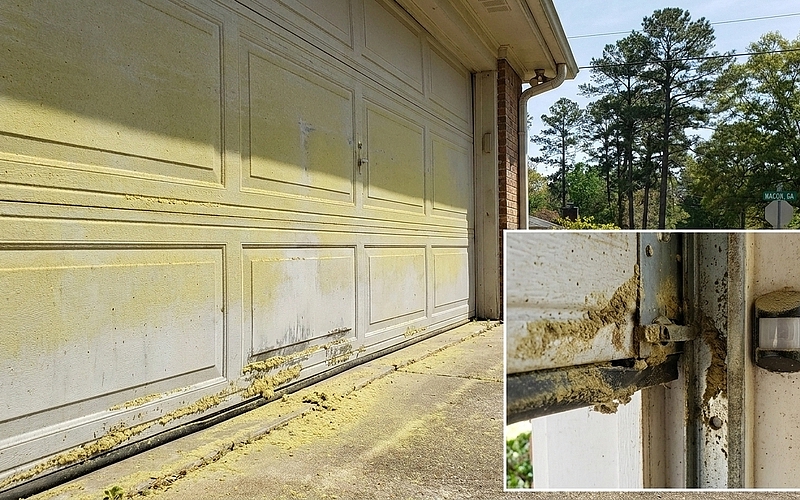
Most homeowners in Macon think pollen is just an allergy thing. A little yellow dust, some sneezing, maybe a car wash or two. But your garage door sees it differently — and if you don't, you're setting yourself up for repairs you didn't need. Pollen doesn't just sit there looking ugly. It works its way into seals, tracks, and sensors. It mixes with moisture and turns corrosive. And if you're ignoring it because it seems harmless, you're already behind.
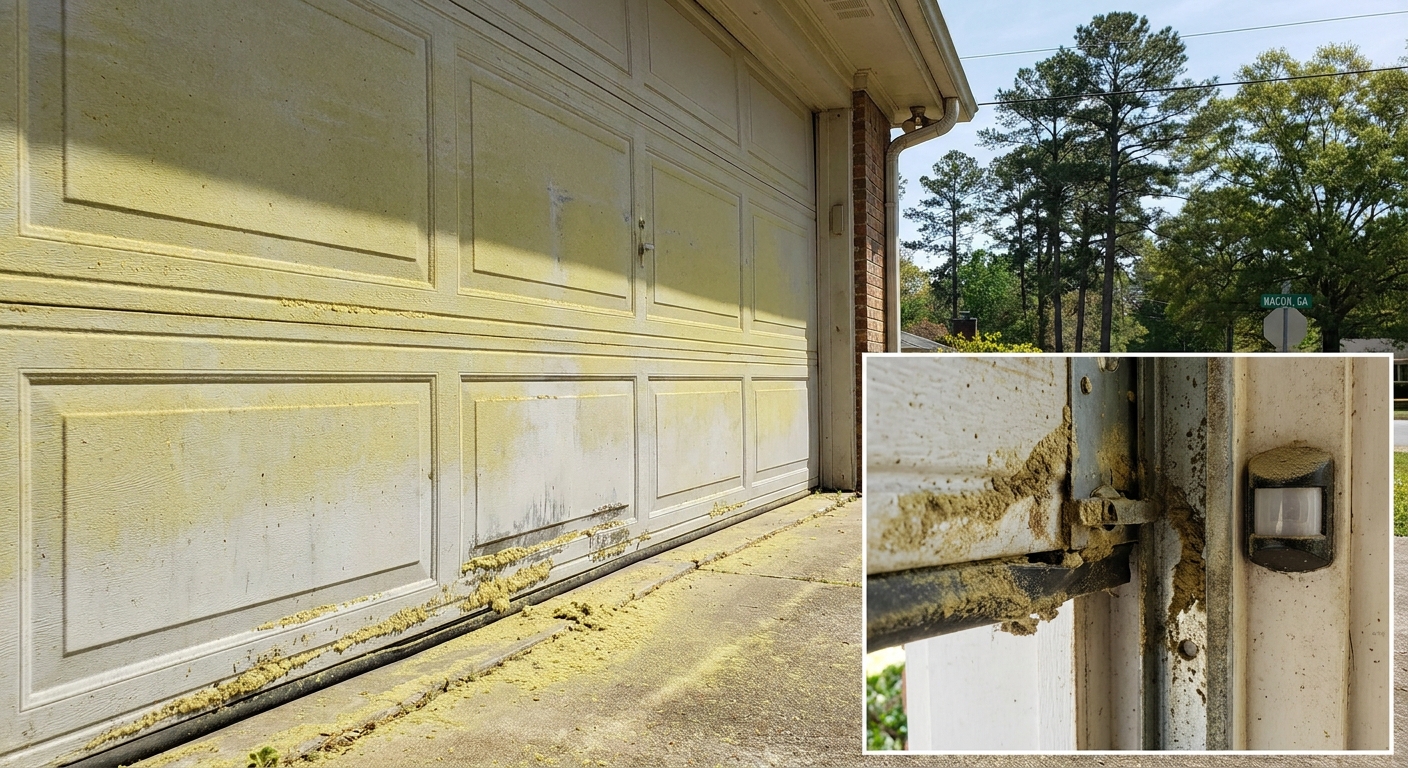
So here's what actually happens. Macon sits in the middle of oak, pine, and maple country. Every spring, those trees dump pollen like it's their job — because it is. Your garage door in Macon? It's a giant flat target with moving parts, and pollen loves both. The longer you wait to deal with it, the more it costs you down the line. Not in dramatic failures, but in slow, grinding wear that adds up fast.
Macon Has a Pollen Problem You Can't Ignore
We're talking about one of the highest pollen counts in the Southeast. Oak trees alone can release millions of grains per day during peak season. Add in pine and other hardwoods, and you've got a thick layer of yellow-green coating on everything outdoors. Garage doors catch more than their share because they're large, stationary, and often facing the wind. That pollen doesn't blow away — it sticks.
The warm, humid air here makes it worse. Moisture keeps pollen from drying out and disappearing. Instead, it bonds to surfaces and starts breaking them down. If your door is metal, painted, or sealed with rubber, you've got three different materials pollen can attack. And it will.
What Pollen Does to the Surface
This isn't just cosmetic. Pollen carries oils and pigments that stain painted finishes when they're left to sit. Mix that with morning dew or a spring rain, and you've got a residue that etches into the paint. Metal doors take it worse because that same mixture turns mildly acidic. Small scratches or chips in the finish? That's where rust starts, and pollen accelerates the process.
Weatherstripping takes a beating too. Pollen collects in the seals and absorbs moisture, which makes rubber and vinyl degrade faster than they should. Once those seals lose their integrity, you're dealing with drafts, bugs, and water intrusion. All because of dust you thought was no big deal.
- Staining happens fast on light-colored doors and doesn't wash off easily once it sets
- Rust starts in vulnerable spots where paint has worn thin or been chipped
- Seals crack and harden when pollen residue sits in the grooves for weeks
- Discoloration spreads across the door panel if moisture and pollen combine repeatedly
- Protective coatings lose effectiveness as acidic buildup eats through the finish
Moving Parts Are Where It Gets Expensive
Your garage door operates on tracks, rollers, and springs. Pollen gets into all of it. When it mixes with existing lubricants or grime, it forms a sticky paste that slows everything down. Rollers don't glide — they drag. Tracks collect debris faster. And when your door doesn't move smoothly, the opener motor compensates by working harder.
That extra strain shortens the lifespan of your springs and motor. Springs are under constant tension, and any added friction means more wear per cycle. Motors aren't designed to push against resistance indefinitely. You'll notice the door opening slower, making more noise, or jerking as it moves. By the time you hear grinding, you're already looking at a garage door repair bill.
- Tracks clog with pollen paste that standard lubrication can't displace
- Rollers bind up and create uneven movement across the door's path
- Springs wear out faster when the system fights unnecessary resistance
- Opener motors overheat or fail prematurely under prolonged strain
- Hinges stiffen and require more force to pivot, compounding the problem
Sensors Stop Working and You Won't Know Why
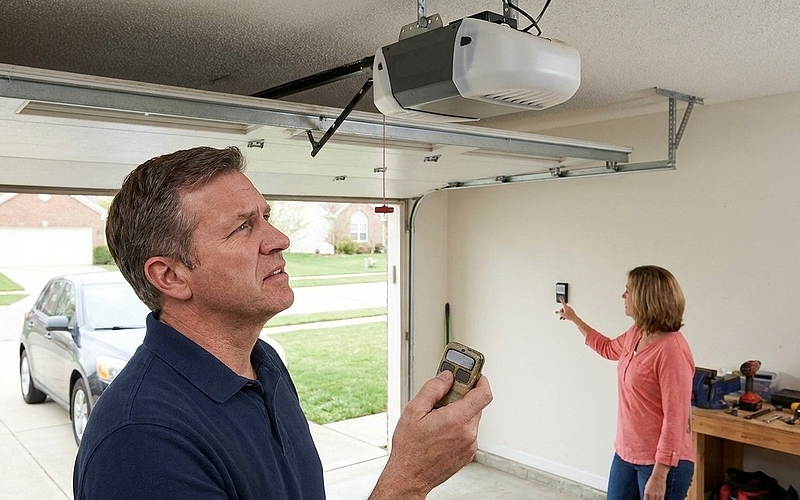
Modern garage doors use photoelectric sensors to detect obstacles and prevent the door from closing on something — or someone. Those sensors rely on a clear line of sight between two units mounted near the floor. Pollen coats those lenses just like it coats your windshield. When the infrared beam gets blocked or scattered, the door won't close. Or it reverses partway down for no obvious reason.
Most people assume it's a wiring issue or a sensor failure. It's usually just pollen. A quick wipe fixes it. But if you don't know to check, you're calling a tech for a problem you could have solved in thirty seconds. And if the pollen sits there long enough, moisture can corrode the sensor housing or connections, turning a cleaning job into a replacement.
Stopping the Damage Before It Starts
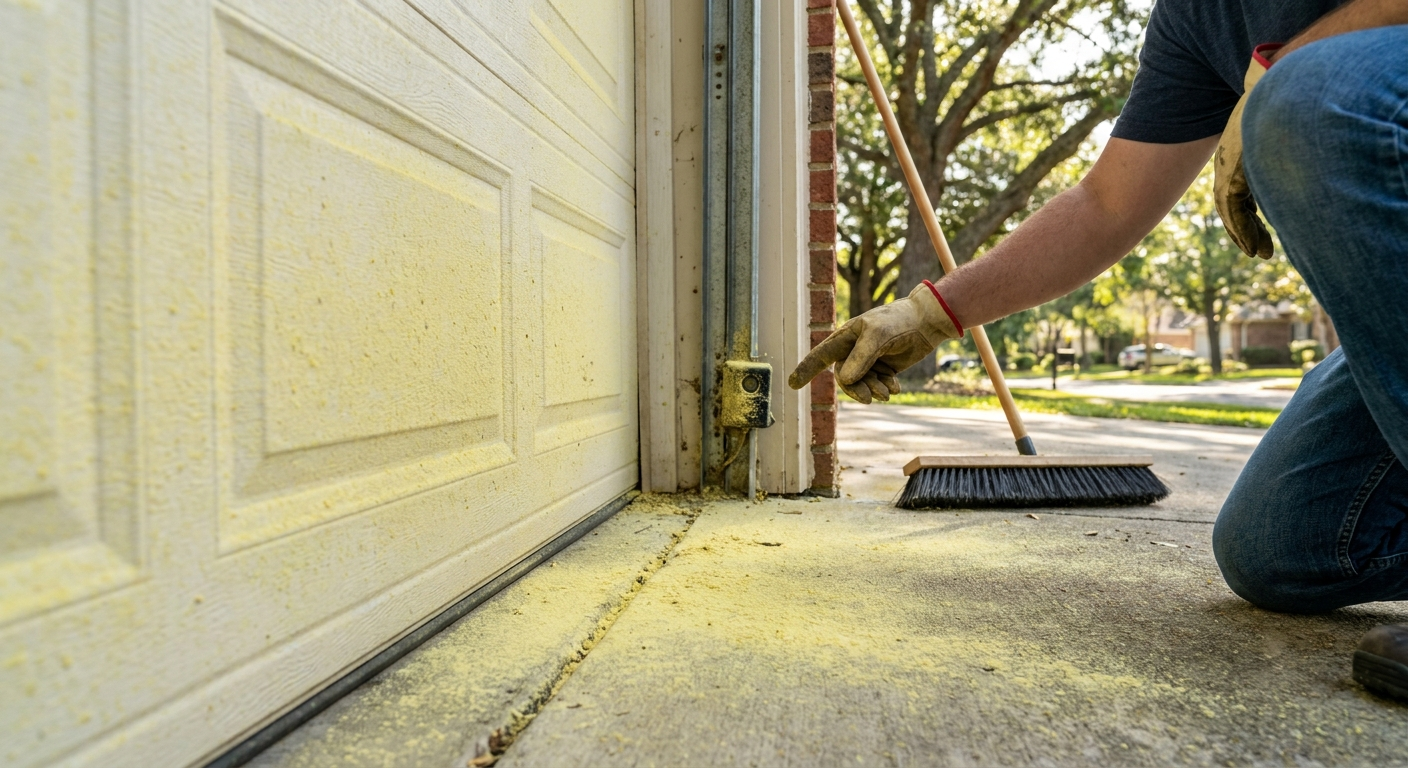
You can't avoid pollen in Macon. But you can keep it from wrecking your garage door. That means regular garage door maintenance — not just when it looks bad, but on a schedule. Once a month during pollen season is the baseline. Use mild soap and water on the door surface, then hit the tracks and seals. Don't skip the sensors. A damp cloth takes care of them in seconds.
After cleaning, reapply lubricant to the rollers, tracks, and hinges. Silicone-based products work best because they don't attract as much dust and debris. Check your weatherstripping for cracks or buildup. If it's damaged, replace it. Waiting just means worse problems later. If your door is heavily exposed, consider a temporary cover or awning during peak pollen weeks. It's cheaper than repairs.
- Wash the door surface with soap and water at least monthly when pollen peaks
- Wipe sensors clean every time you notice sluggish or erratic door behavior
- Lubricate moving parts after every cleaning to prevent pollen paste from forming
- Inspect weatherstripping for degradation and replace sections as soon as they fail
- Rinse tracks and rollers with a hose to flush out pollen before it hardens
When DIY Stops Being Enough
If you're cleaning regularly and the door still sticks, grinds, or refuses to close, something else is going on. Maybe the pollen damage has already set in. Maybe the springs are worn, the motor is struggling, or the tracks are out of alignment. Either way, that's when you call a professional. They can disassemble and clean areas you can't reach, check for rust or corrosion, and replace parts before they fail completely.
Don't wait until the door stops working. By then, you're paying for emergency service and possibly replacing components that could have been saved. A technician can also apply protective coatings to metal surfaces and recommend maintenance schedules tailored to your environment. Macon's pollen isn't going anywhere. Your garage door shouldn't have to suffer for it.
- Professional cleaning reaches internal mechanisms and hidden buildup spots
- Technicians can assess rust damage and treat it before it spreads
- Alignment checks prevent uneven wear caused by pollen-induced drag
- Protective coatings add a layer of defense against acidic pollen residue
- Scheduled maintenance catches small issues before they turn into breakdowns
Pollen Damage Adds Up Quietly
We've seen garage doors in Macon fail early because owners treated pollen like a cosmetic annoyance. It's not. It's a slow, persistent threat to every material and mechanism on your door. The good news? It's completely preventable. Regular cleaning, smart lubrication, and occasional professional help keep your door running smoothly through every pollen season. The bad news? If you skip it, you'll pay more later — in repairs, replacements, and downtime you didn't need.
Your garage door works hard. Don't let tree pollen make it work harder. A little maintenance now saves a lot of frustration when that yellow dust rolls in every spring.
Let’s Keep Your Garage Door Ready for Macon’s Pollen Season
We know how quickly pollen can turn a smooth-running garage door into a noisy, stubborn headache. Staying ahead of the damage is easier when you have a team that understands Macon’s unique challenges. If you’re ready to protect your investment and avoid costly repairs, let’s tackle the problem together. Give us a call at 762-319-2931 or schedule an appointment and we’ll make sure your garage door is ready for whatever pollen season throws your way.
‹ Back
Recent Posts
-
Can Tree Pollen Cause Garage Door Problems in Macon?
September 9, 2026
-
Is Your Garage Door in Macon Opening Slower Than Usual?
August 26, 2026
-
Garage Door Remote In Centerville Stopped Working?
August 12, 2026
-
-